
Limited access

In theory, being connected to the internet gives you access to virtually unlimited information (credible and not so credible), products from all over the world, services, courses, videos and much much more.
But often websites are developed without considering that many members of our community live with disability and have different needs when it comes to accessing digital sources.
This starts with more cosmetic elements – such as font size, spacing and colour selection (for example, avoid white text on light colours) – and extends to building the back end of a website to allow users to engage with the page in a variety of ways, including with the support of assistive technology.
So, what makes websites more accessible? Here are three key elements:
- Alt text: this is the written description of what can be seen in a picture and gets picked up by screen readers if users have a vision impairment.
- Audio captioning: for meetings and presentations, use programs that offer live captioning, and caption all recordings and videos on your social media channels and website.
- Links: wherever possible, make links meaningful so they convey clearly what you will find at the link (rather than including links that have a lot of random letters, symbols and numbers) – this is more user friendly for users with screen readers, and also makes navigation easier for users skimming to find the right information.
About to build a new website and unsure of how to make it accessible to everyone? Well, lucky for you a group of digital experts has developed extensive Web Content Accessibility Guidelines (WCAG) that you can access – so make sure you take a look at the guidelines to maximise accessibility of your website. It’s much easier to build a website with those guidelines in mind, rather than retrofitting them.
But it’s not just websites – daily communication tools such as documents, spreadsheets and emails also need to be accessible. You can use Microsoft’s ‘Check accessibility’ button to see how you can improve the accessibility of those assets, and there are free web-based services that check colour contrast and how to improve it.
Digital accessibility is so much more than just having access to the internet via a computer or smart device. It’s about being able to access what’s online based on your individual needs – and even if we’re not web developers, we can play our part in making the online experience better for all.
Recent posts
18 February 2026
28 January 2026
26 January 2026
29 September 2025
You may also like...

My Plan Manager’s client portal: take control of your NDIS spending
We have a handy piece of tech that puts you in control of your dollars – and your days! We explain all the best features of our client portal here.
My Plan Manager's provider portal - NDIS claims made easy
You’re a provider in the National Disability Insurance Scheme (NDIS). You’re supporting a client and we’re their plan manager. You’ve scoped out their supports, you’ve signed off on a service agreement, and you’ve started putting your expertise to work. So, when the supports have been delivered and it comes time…
Our client portal putting you in the driver's seat
Our client portal is a powerful tool that puts you in the driver’s seat of your NDIS journey.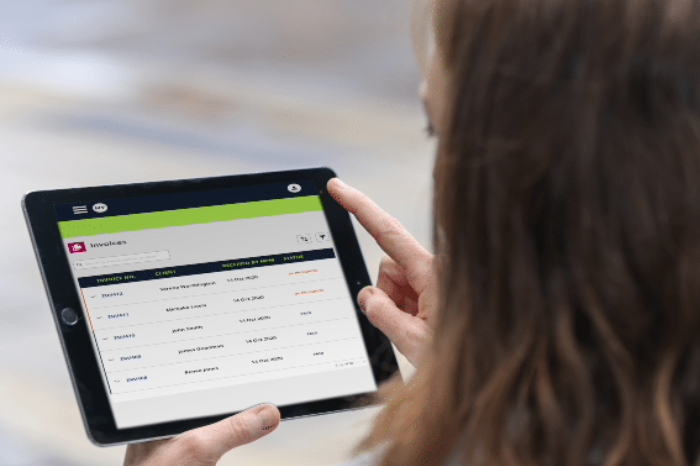
My Plan Manager’s provider portal – our NDIS experts in your pocket
Getting paid in a timely manner and knowing where you stand financially is vitally important to every provider. That’s why we developed our provider portal – to give you financial transparency, help you to track your invoices, and get you paid faster. Getting set up is quick and simple, and in case you’re wondering if it’s worth it, here are three things you may not know about the provider portal.