New apps to help you keep safe in emergencies
Whether you’ve been personally affected or you’ve seen it on the news, floods, fires and cyclones have been a common occurrence for many Australians in recent years.
If you live in an area where cyclones can hit, or a flood or bushfire zone, you need to be prepared.
And, if you have a disability, there might be extra levels of planning you need to do.
That’s why the Flagstaff Group has developed a free emergency app to help people with disability to plan, prepare and, if needed, survive a natural disaster.
Available for iPhone and Android phones, the EMBER app prompts you to think about, plan and write down all the details you’ll need in an emergency. And, because it’s on your phone, it’s unlikely to be left behind or forgotten.
A second app – Nonverbal Communicator – has also been developed to provide people who are non-verbal with a series of images to help them to communicate during emergency situations.
There is also a communication board located on the EMBER app (under the tools menu). Communication boards are designed to improve the communication process by providing simple, recognisable images and symbols to help people who may not be able to speak because they are non-verbal or experiencing a health episode. You can also find more information about the communication board on the EMBER app website.
Developed in New South Wales (NSW), there are elements of the EMBER app that are specific for NSW residents (like useful numbers), but there are loads of other resources to support people with disability around the country, as well as their families and friends. The tools menu provides links to national apps like ABC Radio, which broadcasts emergency messages, the Fires Near Me Australia app and the National Relay Service app.
Recent posts
18 February 2026
28 January 2026
26 January 2026
29 September 2025
You may also like...

My Plan Manager’s client portal: take control of your NDIS spending
We have a handy piece of tech that puts you in control of your dollars – and your days! We explain all the best features of our client portal here.
My Plan Manager's provider portal - NDIS claims made easy
You’re a provider in the National Disability Insurance Scheme (NDIS). You’re supporting a client and we’re their plan manager. You’ve scoped out their supports, you’ve signed off on a service agreement, and you’ve started putting your expertise to work. So, when the supports have been delivered and it comes time…
Our client portal putting you in the driver's seat
Our client portal is a powerful tool that puts you in the driver’s seat of your NDIS journey.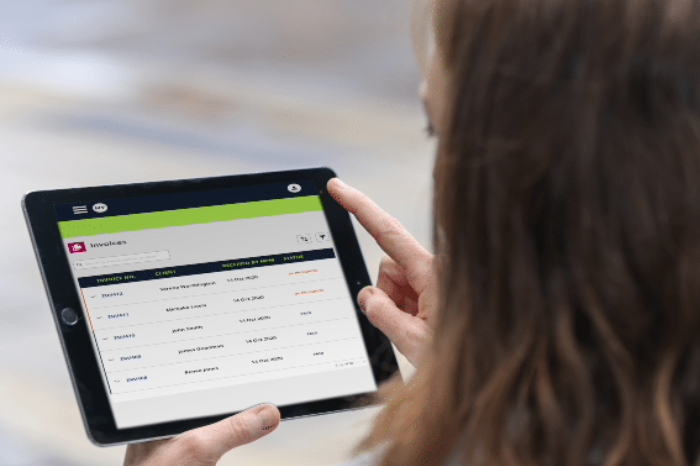
My Plan Manager’s provider portal – our NDIS experts in your pocket
Getting paid in a timely manner and knowing where you stand financially is vitally important to every provider. That’s why we developed our provider portal – to give you financial transparency, help you to track your invoices, and get you paid faster. Getting set up is quick and simple, and in case you’re wondering if it’s worth it, here are three things you may not know about the provider portal.