
How to write image descriptions

If you’ve spent any time on social media in the past few years you might have come across image descriptions, or ID. Here's what they are and how to write them.
Designed to describe images to people who are blind or low vision, image descriptions can also help people using language translation in social media. Here’s how.
A traditional image description does what it says - it describes an image. It’s different to alternative text, AKA alt-text, which is text that isn’t visible, quite brief (often there are character limits) and which will be picked up by screen readers.
An image description tells a very short story about an image.
Let's use an example

Alt-text might describe the image above as “Woman in wheelchair using laptop computer.”
An image description can go into more detail. It might say:
“Sarah, who has beautiful dyed magenta and purple hair, is in her power wheelchair with a white laptop computer on her lap. She’s wearing black framed glasses and a white t-shirt. She’s smiling as she looks at the screen and she has one hand on the keyboard. There is a futon bed behind her and daylight visible through the windows.”
See how the image description humanises the scene and illustrates it? That’s not to say it’s better or worse than alt-text, just that image descriptions can play a different role and add to the understanding of an image!
What about text in images?
When it comes to an image with text in it, it’s vital that all of the text is transcribed. This is for anyone using a screen reader or translate, if they are reading the screen in a different language.
For an image description of a text-based image, simply transcribe all of the text. If there’s room, mention any logos or stylistic elements, for example, if there’s a border, or a design.
Why are image descriptions important?
Image descriptions are important on every image. And image descriptions are for everyone. While alt-text is sometimes hidden away in advanced settings, anyone can add an image description to their post. And the more people that come across image descriptions, the more others are aware of what they are and why image descriptions matter!
After all, accessibility is for everyone, and it’s for everywhere. Accessibility isn’t just step-free access, or hearing loops, or sensory breakout rooms (and there needs to be more!). Accessibility is about being online and having the full experience while you’re there.
Recent posts
18 February 2026
28 January 2026
26 January 2026
29 September 2025
You may also like...

Your options if your NDIS access request is rejected
What happens if your NDIS access decision doesn’t go your way? We explore next steps and options.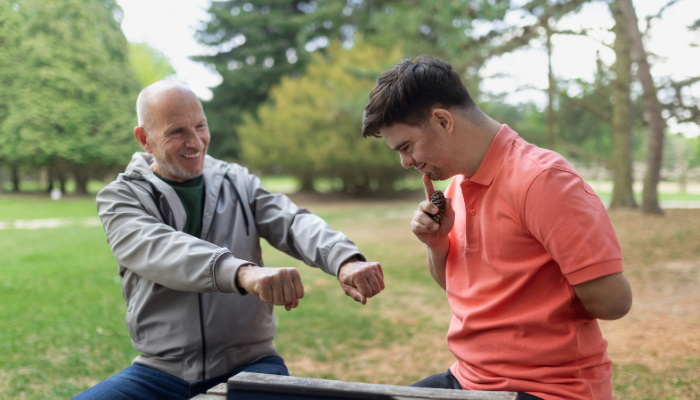
The true cost of caring
Informal carers have an enormous and positive impact on the nation. But at what cost?
Consent and the NDIS
If you’re a participant in the NDIS, before anyone can see information about you or make decisions on your behalf, they need your consent.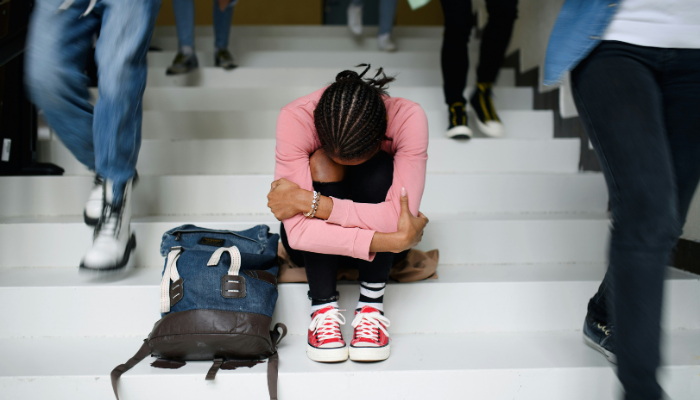
Psychosocial disability explained
The term ‘psychosocial disability’ can be misunderstood or confusing to those who’ve never heard of it. So, what does it mean?