
How habit coaches are transforming disability therapy and conserving plan spend for NDIS clients
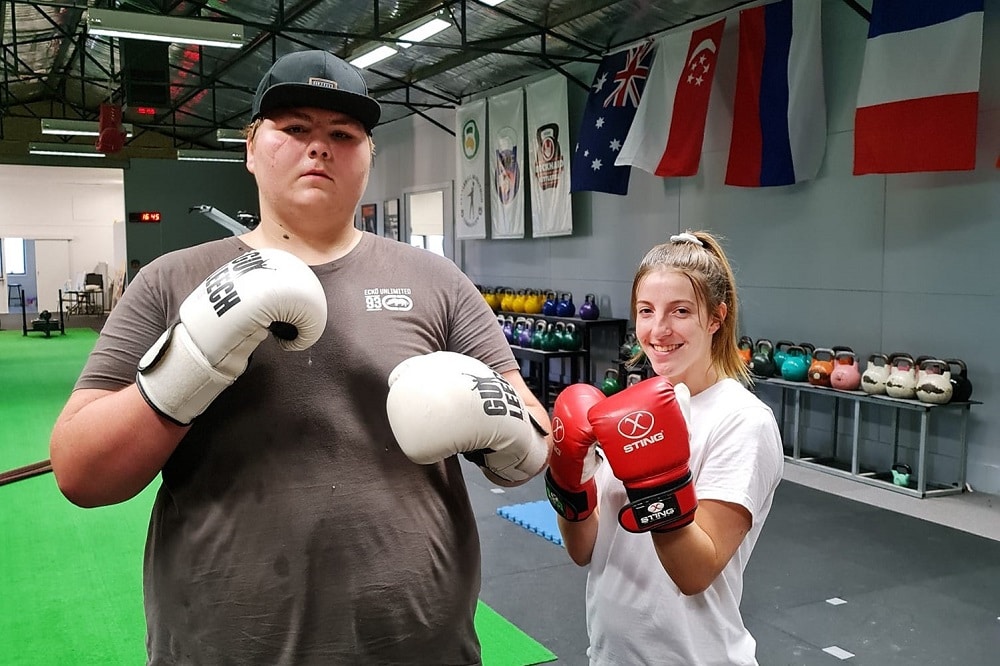
We know that success starts with small daily habits. That's why a therapy provider called Everyday Independence is helping its clients to build their confidence, achieve their goals and improve their lives through a support called a ‘habit coach’.
A habit coach is an allied health assistant and part of a client’s therapy team. They work with a client and their supports to cement new skills they've learned in their therapy by implementing daily habits and routines.
This in turn helps them reach their daily and longer terms goals, live with greater independence, and participate more in everyday life.
How does it work?
Nathan Nute from Everyday Independence said this evidence-based approach can help clients reach their goals faster compared to working with a single therapist and make a real difference to the lives of people living with a disability.
“A therapist will set up a client’s plan, but then the therapist can recommend that the client engages a habit coach, or the client can request the services of a habit coach {themselves} to help get them into a routine,” he said.
The habit coach will follow the action plan with the participant to practice the new skills they’ve learned in their therapy session.”
“That could look like a child that needs to get into a routine before school to make sure they get to class on time, with everything they need to enjoy a normal day.
“A habit coach can instil that routine to empower them to get on with their day, get out in their community and live their everyday life.
“Or, a habit coach could come in after school to setup homework and bed-time routines to make sure they’re ready for school the next day and getting plenty of sleep. That could happen once, twice or several times a week – it really depends on their National Disability Insurance Scheme (NDIS) plan.”
Using a habit coach can also conserve plan spend to maximise a client’s NDIS funding.
"This ensures that therapists are working within their scope of practice so a client isn’t paying a higher rate for an occupational therapist to support them with routine building activities that can be more cost effectively supported by a habit coach,” said Nathan
Who would benefit from a habit coach?
Nathan said habit coaches are suited to clients that would benefit from developing daily routines and activities. For example a child or adult may benefit from an exercise routine, morning/evening routine and routines that help them get to school or work.
He said he sees clients achieve their goals at an accelerated rate when they have the extra support of a habit coach, however even if a habit coach is a good fit, it’s ultimately up to the client whether they take up this service.
"We put our clients, their families and support networks at the centre of everything we do,” said Nathan.
“{Their therapy} is built on their capacity and what they are willing to do to reach it.”
How clients can access a habit coach through their NDIS plan funding
Habit coaches are an innovative role that are unique to Everyday Independence, however the concept of implementing habits and routines to ingrain new skills learned in therapy is growing across the disability sector.
Clients can access habit coach services through Everyday Independence using the ‘Improved Daily Living Skills’ budget category. An Everyday Independence therapist can build habit coaching in as part of a therapy plan.
Alternatively, you can ask your providers if they offer any kind of habit coaching as part of their services to cement new skills you or someone you care for has learnt in therapy. They may have Allied Health Assistants available to work on your habits with you, which might be more cost effective than having an occupational therapist support you with routine building.
If you don’t have an ‘Improved Daily Living Skills’ budget category included in your NDIS plan to access a support like this, you may want to request it in your next plan review.
My Plan Manager can help clients find information about different providers to make their own decisions that we explain here.
Recent posts
18 February 2026
28 January 2026
26 January 2026
29 September 2025
You may also like...

Leaning into the chaos: travelling as a neurodivergent family
We asked a neurodivergent mum to share her travel tips and holiday experiences.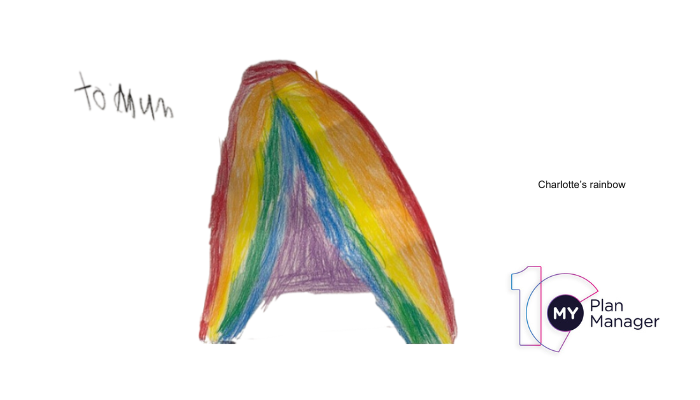
Meet Charlotte
Welcome to a series of stories showcasing our wonderful community. Charlotte’s an affectionate young girl who likes school, swimming and cuddles from her mum, Kylie.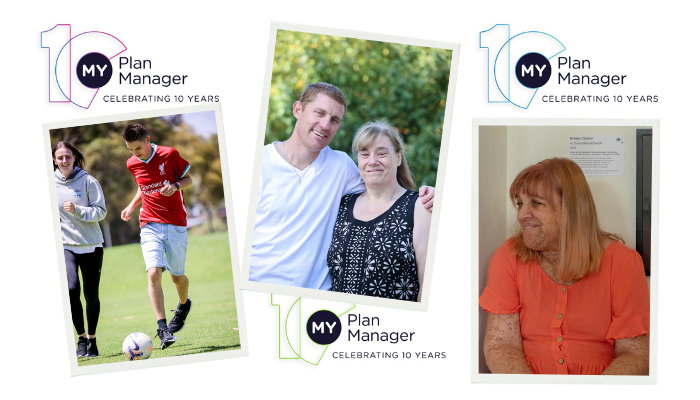
10 years. 10 clients. 10 stories.
As we wrap up our 10th year of service in the NDIS, we want to shine a light on those who’ve made it all possible – our incredible clients and the wider disability community – and thank you for inviting us into your lives.
Meet Jasmine
Welcome to a series of stories showcasing our wonderful community. Jasmine is a caring person who’s taking steps towards her future.