
The pandemic isn’t over just because people are over it
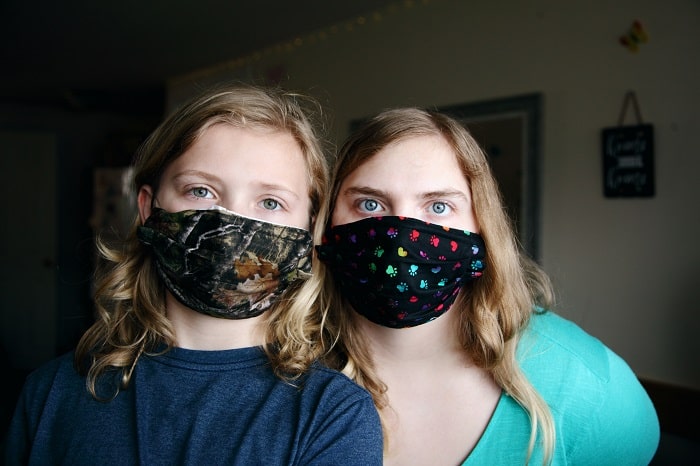
Masks, Personal Protective Equipment (PPE), social distancing, excellent hand hygiene – for many people with disability, this was a way of life before the pandemic.
And the community’s increased commitment to staying home when sick and following infection control protocols has not just helped stop the spread of COVID-19, but it’s created a safer community for vulnerable people with compromised immune systems – often, people with disability.
However, now we’re more than two years into ‘living with COVID-19’, the wider population might be getting what’s known as ‘pandemic fatigue’. But, as the viral Heather Chelan (@hebontheweb) song goes, ‘the pandemic isn’t over just because you’re over it’.
Masks are coming off. Emboldened with a negative PCR test, people are feeling fine to move about the community with a runny nose or cold symptoms – clearly sick with an illness which, while mild to them, could be devastating for someone vulnerable.
So, how can you be empowered to kindly and firmly ask people to maintain infection control protocols around you, to help you (and others) stay well?
Masks
- When you’re at home, you have more control of how people behave in your home. You’ve every right to ask your guests to wear a mask. Sometimes it’s easiest to phrase it as though it’s already happened, or as though they were going to do it all along, by saying: “You might know that my health makes me vulnerable to all types of sickness. Thanks for wearing a face mask when you’re in my home.”
- Now mask mandates have been lifted in most public places, it’s more difficult to expect strangers to mask up around you. The best thing to do is continue wearing your own mask and avoid those who don’t wherever possible.
- If you’re in a place where mask mandates remain, like a hospital, doctor’s clinic or pharmacy, and someone isn’t wearing a mask, see if you can quietly ask a staff member to approach the person and ask them to put their mask on. If you’re getting into a taxi or rideshare, you can use the same approach as your own home and say: “Thanks for putting your mask on. I’m doing everything I can to stay safe and keep others safe too.”
Hand hygiene
- At home, keep a bottle or pump pack of hand sanitiser by the front door and encourage anyone arriving to sanitise their hands. You can even get crafty and make your own sign.
- Out and about, keep a small bottle of sanitiser handy and share it with others to encourage hand hygiene.
- If someone needs to touch you (e.g. during a medical procedure), use the ‘thanks for sanitising your hands in front of me’ approach, as though they were always going to do it – they probably were, but that’s ok, we’re all allowed to be kind, firm and in control of our own medical care.
Be empowered to control the things you can if it helps you. For example:
- Sit in the rear seat of a car, diagonally across from the driver, with the window down.
- Maintain social distancing.
- Make considered choices about what’s worth your time (e.g. going to a crowded gig and wearing a mask to see your favourite band vs listening to tunes on Spotify).
- Shop online instead of at a physical store.
- Wear a mask, even if other people aren’t.
Your health is precious and it’s important to protect it. We hope these tips have empowered you to help keep yourself safe.
Recent posts
18 February 2026
28 January 2026
26 January 2026
29 September 2025
You may also like...
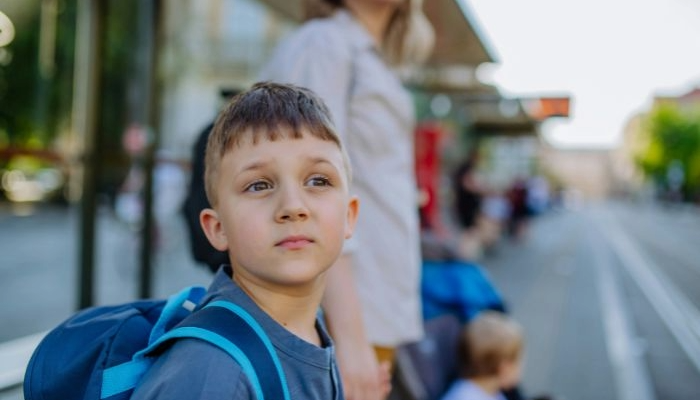
Leaning into the chaos: travelling as a neurodivergent family
We asked a neurodivergent mum to share her travel tips and holiday experiences.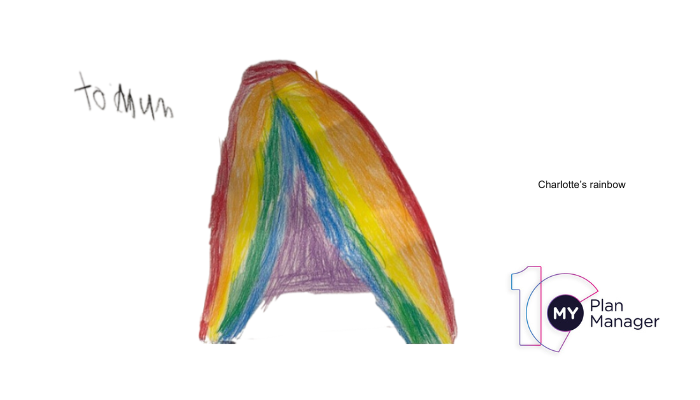
Meet Charlotte
Welcome to a series of stories showcasing our wonderful community. Charlotte’s an affectionate young girl who likes school, swimming and cuddles from her mum, Kylie.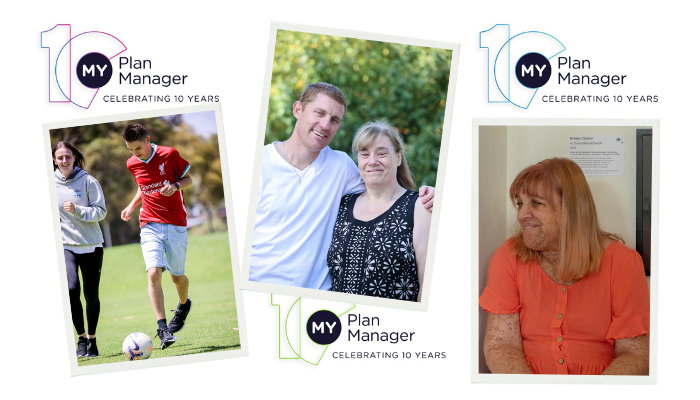
10 years. 10 clients. 10 stories.
As we wrap up our 10th year of service in the NDIS, we want to shine a light on those who’ve made it all possible – our incredible clients and the wider disability community – and thank you for inviting us into your lives.
Meet Jasmine
Welcome to a series of stories showcasing our wonderful community. Jasmine is a caring person who’s taking steps towards her future.